


Every woman’s reproductive health needs individual attention when medical concerns affect daily activities. Uterine health conditions can differ in their causes and severity. Understanding these differences helps individuals discuss suitable surgical options with qualified specialists. The decision depends on personal health needs and examination results. Qualified medical guidance helps individuals understand the suitable treatment options available through uterine fibroid surgery bangkok based on their health needs.
Identifying Specific Health Conditions
Different reproductive health concerns can influence the type of surgical care required. Fibroids may cause heavy bleeding or pressure around the lower abdomen. Other conditions can affect monthly cycles or create ongoing discomfort. Understanding the source of these concerns helps specialists assess the most suitable surgical approach.
A detailed medical assessment allows doctors to understand the condition before recommending surgery. They may review previous health records and discuss current symptoms. Important details include:
- Fibroid size can influence the recommended surgical approach.
- Bleeding patterns provide useful information about reproductive health.
- Previous procedures help specialists understand individual medical needs.
- Pain levels offer details about the condition’s impact.
- Examination results support decisions about suitable surgical methods.
Assessing Surgical Suitability
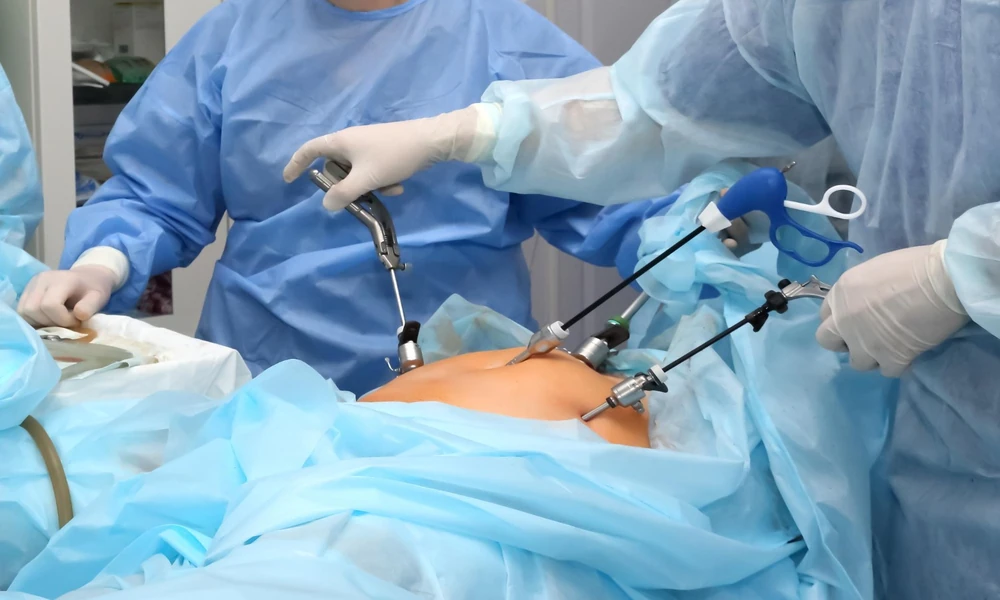
Laparoscopic surgery involves making small openings through which specialised instruments are guided. A small camera allows surgeons to view the affected area during the procedure. This approach may suit certain conditions depending on their location and size. Individual health factors remain important when determining surgical suitability.
Specialists consider whether the affected tissue can be reached safely through small openings. They also examine the patient’s general health and previous surgical history. For individuals exploring uterine fibroid surgery bangkok, discussing the condition with an experienced specialist helps clarify suitable options. Each recommendation should reflect personal medical findings rather than general assumptions.
Matching Procedures To Conditions
Different health conditions require different surgical considerations. The location of affected tissue can influence the method used during surgery. Fibroids located within the uterine wall may require a different approach from those growing outside it. Specialists assess these details before planning the procedure.
The following factors can help guide discussions about surgical suitability:
- Fibroid location helps determine the most appropriate surgical access.
- Growth size influences the level of surgical planning.
- Tissue condition guides decisions about preserving healthy areas.
- Previous abdominal operations may affect the surgical approach.
- Current reproductive goals help shape individual medical recommendations.
Preparing For Surgical Care
Good preparation allows individuals to understand the procedure and expected recovery arrangements. Doctors usually explain the surgical steps before setting a suitable date. They may also review current medications and request necessary health checks. Sharing complete medical information helps create an appropriate care plan.
Patients can prepare by discussing important concerns during their appointments. Questions about recovery time and daily activity restrictions deserve clear answers. Understanding these details also helps families arrange suitable support after discharge.
Understanding Recovery Requirements
Recovery can differ according to the condition treated and the extent of surgery. Some individuals resume light activities sooner while others need additional rest. Following medical instructions helps support healing and reduces unnecessary physical strain.
Doctors provide guidance about wound care and suitable activity levels. Follow-up appointments allow specialists to review healing progress. Patients should also discuss any unusual symptoms during recovery.
Selecting suitable surgical care requires a clear understanding of personal medical needs. Individuals should discuss examination findings and available approaches before making decisions. A qualified specialist can explain the expected outcomes and recovery arrangements. Taking an informed approach helps patients participate confidently in their care while supporting appropriate decisions about reproductive health.
